
Asia Pacific Report
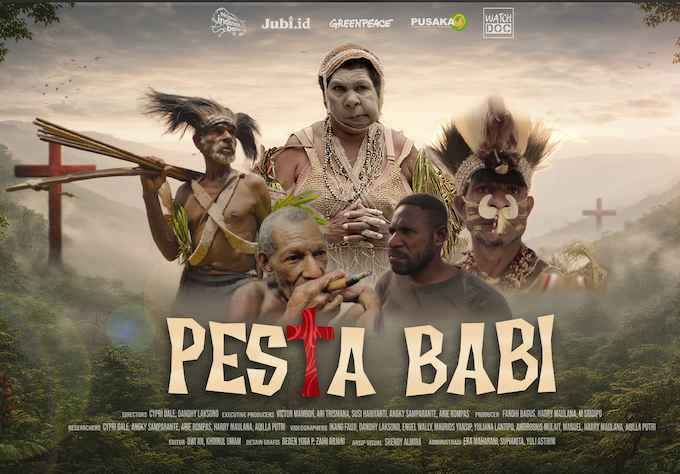
Indonesia has kidnapped and threatened Mama Yasinta Moiwend (Mama Sinta), one of the Marind tribe women featured in the controversial documentary Pesta Babi (Pig Feast), into denying the film and its message, claims a West Papuan advocacy group.
Pesta Babi, which focuses on the Merauke sugarcane megaproject and was premiered in New Zealand in March, exposes how Indonesia is destroying West Papua’s ancestral forest for profit.
“It is a moderate film, which does not show the real truth — that all West Papuans want freedom and independence instead of colonial ‘development’,” said the United Liberation Movement for West Papua (ULMWP) president Benny Wenda.
- READ MORE: ‘Threat to democracy’ – Indonesian filmmaker slams military crackdown on Papua documentary
- West Papuan doco Pig Feast exposes oligarchs, food security crisis and ecocide under noses of military — film review
- Other Pesta Babi reports
“Despite this, Indonesia has done everything they can to destroy it.”
Since the screenings of the film in New Zealand and Australia, the documentary has been widely shown in Indonesia and stirred a military crackdown with attempts to block it.
Partners in the production of the film include the Papuan media group Jubi, Greenpeace and Pusaka, a group committed to “fostering and advancing a just and equitable life” for Indigenous peoples and marginalised communities.
In a series of social media videos, Mama Sinta has publicly distanced herself from Pesta Babi, stating that she was “exploited by the filmmakers”.
She was later presented to a police station in Jakarta, where she filed charges against LBH Papua Merauke, an organisation involved in producing the film. Her family have stated they have not been able to contact her for the past week.
‘Why change her views suddenly?’
“Mama Sinta has clearly been kidnapped by the colonial TNI. Why else would she be in Jakarta, away from the community she has spent her life fighting to protect? Why else would she change her views so suddenly?” asked Wenda.
Against her will, the Indonesian state had forced Mama Sinta to issue a statement retracting her involvement in the film, he said.
“For West Papuans, this is not a new phenomenon. Indonesia has always used any means they can to divide our spirit: bribery, threats, arbitrary arrests, beatings and torture.
“Those who they cannot silence they simply kill.
“Mama Sinta is just like the elders who were forced at gunpoint to vote against West Papuan independence during the Act of ‘No Choice’ [in 1969]. Merdeka remained in their hearts, even if they raised their hands against it.”
Wenda said Mama Sinta would have been afraid of “what would happen to her” if she did not agree to the TNI’s demands.
At a time when violence had ramped up across West Papua, with nearly 40 civilians “massacred in the past two months”, Papuans were aware of the dangers of speaking out.
“This is why she recanted.”
‘Terrified’ of public
“The Indonesian state response to Pesta Babi — from kidnapping its star to violently shutting down screenings of the film — clearly demonstrates their overwhelming fear of being found out.
“Indonesia is terrified that their own people, their youth and students, will discover what their government is doing to West Papua.
“The filmmakers deserve thanks for exposing Indonesia’s ecocide in Merauke. I call on them, and all Indonesian solidarity groups to stay strong: deepen your support for West Papua, oppose your country’s ongoing occupation, genocide and crimes against humanity.”
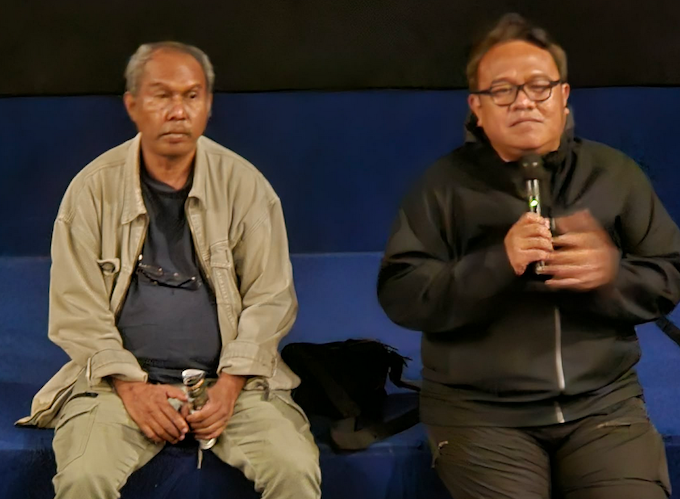
In an interview with RNZ Pacific last week, the film’s director, Dandhy Laksono, criticised the military crackdown over the documentary.
He said that Pesta Babi had been showing at about 1700 cinemas around Indonesia.
“We have recorded more than 30 incidents of the state apparatus stopping the screening — mostly by military, and then they are also using the civil servants — in the name of public order,” he said.
No public disorder
Laksono said there had been no public disorder from the film in parts where it had shown.
“It’s ridiculous, and thanks to the audience they defend the film quite hard, and they defend their rights to to watch and to absorb the information, about what has actually happened in West Papua.”
Wenda said the crackdown on the documentary was just one small example of Indonesia’s policy of repression in West Papua.
“They are only able to get away with their crimes because they have transformed West Papua into the Pacific North Korea: journalists are banned from entering, along with NGOs like Amnesty and the Red Cross.”
Six years had passed since Indonesia vowed to allow the UN High Commissioner for Human Rights to visit West Papua — “and still they refuse access”.
This content originally appeared on Asia Pacific Report and was authored by APR editor.