
New York, April 24, 2026—Uganda is set to pass a foreign agents bill, whose sweeping provisions could be used to imprison journalists critically reporting on economics, foreign policy, or elections for up to 20 years, limit foreign media funding to about $100,000, and subject newsrooms to intrusive state oversight.
The Protection of Sovereignty Bill says it aims to register “agents of foreigners” and regulate their funding with tough penalties to end “undue external interference” in government policies by “foreign countries and agents of foreigners.” It says foreign aid to civil society has enabled donors to erode “sacred” national values, while online platforms have been used to “disseminate misinformation, which facilitates social discord.”
The government brought the Russian-style foreign agents bill to parliament on April 15 for a first reading, with strong backing from ruling party lawmakers, who hold a commanding majority in the House.
“Uganda’s Protection of Sovereignty Bill risks unleashing a dangerous legal weapon that authorities can easily turn against the press, under the guise of regulation and national security,” said CPJ Africa Program Coordinator Muthoki Mumo. “If this bill is not stopped, journalists reporting in a manner that does not please President Yoweri Museveni’s 40-year-old administration could find themselves smeared with accusations of ‘economic sabotage’ and jailed as ‘agents of foreigners.’”
Foreign agents laws that stigmatize the work of civil society and undermine human rights are becoming increasingly popular globally and across Africa, with Zimbabwe passing the so-called “Patriot Act” in 2023, which stipulates heavy penalties for “willfully injuring the sovereignty and national interest.” In 2024, legislators in the Central African Republic discussed a foreign agents bill, while South Africa’s Africa Transformation Movement party said in 2025 that it would table such a bill.
Funding limits and regulatory burdens for foreign agents
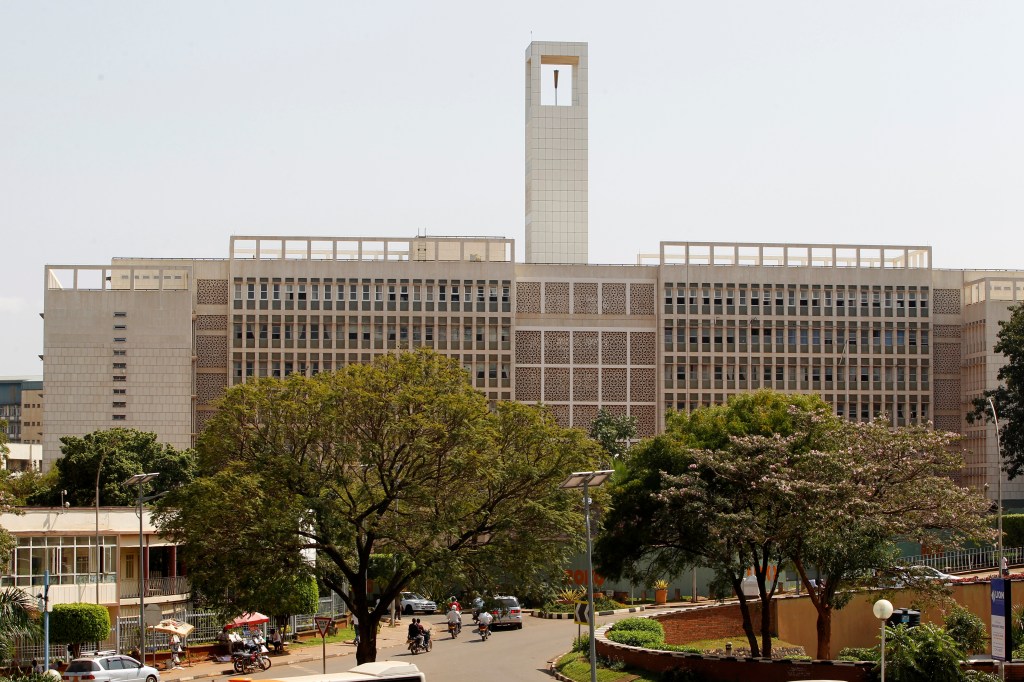
The Ugandan legislation’s expansive definition of an “agent of a foreigner” includes any person “whose activities are directly or indirectly supervised, directed, controlled, financed, or subsidized by a foreigner.” This would likely include independent media outlets that rely on international grants or work with foreign news organizations. Foreigners include Ugandans who live abroad.
The bill limits external funding for foreign agents to 400 million shillings (US$107,989) annually, with exceptions requiring written approval from the minister of internal affairs. Those who exceed the cap could be jailed for 20 years and the illegal funds seized by the state. Foreign agents would have to disclose their funding sources, which would be publicly available for inspection.
The bill also introduces burdensome and intrusive regulatory controls, requiring foreign agents to register every two years with the ministry for internal affairs’ department for peace and security. Applicants seeking registration would have to disclose detailed operational information, including staff lists and copies of all written and oral agreements with foreign entities, and could face inquiries into their mental and physical health.
The minister would have broad discretion to deny or revoke registration due to foreign agents’ “disruptive activities,” an undefined “security threat,” or “additional grounds” prescribed by the minister. Operating without registration could result in 10 years’ imprisonment.
Journalists risk 20 years in prison
The bill introduces penalties of up to 20 years in prison for activities that could encompass routine journalistic work, such as the publication of information deemed to “weaken or damage the economic system” — criminalized as “economic sabotage” — or promoting foreign policies not adopted by Cabinet.
Similarly, the law regards any foreign agent who “influences the will” of a person to decide how they shall be governed as “interfering with electoral processes,” for which they can be imprisoned for up to 20 years.
Foreign agents also face up to 20 years in prison if they:
- Promote the interests of a foreigner against Uganda’s interests;
- Engage in any activity or receive assistance from a foreigner for any function with the aim of interfering with government operations;
- Obtain funds or assistance from a foreigner to “participate in disruptive activities;”
- Fail to submit returns to the minister detailing funds received and how they were spent.
Newsroom raids threaten confidential sources
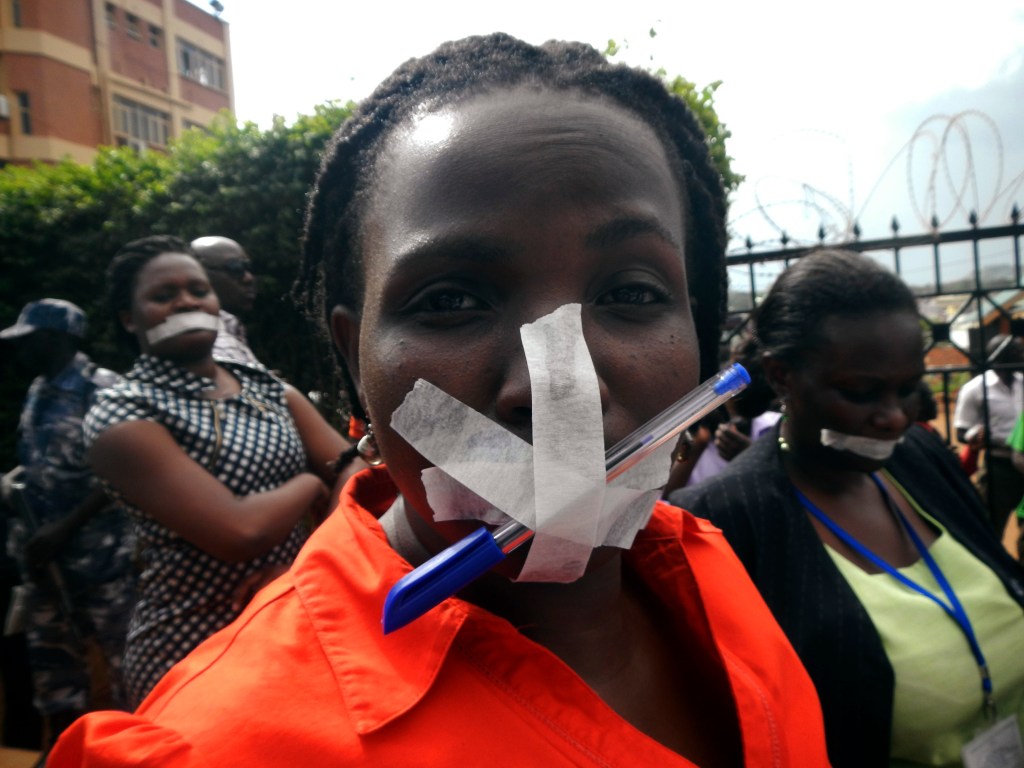
Journalists’ ability to protect confidential sources would be threatened by the right of government inspectors to enter foreign agents’ premises at “any reasonable time” and request “any information” that appears “necessary” to give effect to the Act. Refusal to comply would be punishable by up to seven years in prison.
Uganda has previously seen newsroom raids, including a 10-day siege of the Daily Monitor and Red Pepper newspapers in 2013 for publishing a letter about an alleged assassination plot, during which security forces shut down operations and pressured editors to reveal sources.
Uganda’s independent media have faced increasing legal and regulatory pressure in recent years, including prosecution, suspension, and restrictions on reporting. Civil society groups have expressed concern that the Sovereignty Bill could further narrow the civic space.
In an opinion piece defending the proposed law, Attorney General Kiryowa Kiwanuka said the bill was in keeping with similar laws in other democracies, with clearly defined scope and was “grounded in the urgent need to safeguard Uganda’s autonomy and stability in the face of many identified challenges.”
Kiwanuka did not immediately respond to CPJ’s request, via messaging app, for comment on the bill’s potential implications for press freedom.
This content originally appeared on Committee to Protect Journalists and was authored by CPJ Staff.