
Read a version of this story in Korean
North Korea is attempting to address its decreasing birth rate by improving the conditions of state-run orphanages while increasing crackdowns on illegal abortions, residents in the country told Radio Free Asia.
The total fertility rate for North Korea is estimated to be 1.59 children per woman of childbearing age according to key statistical indicators from South Korea’s Ministry of Data and Statistics. This is well below the replacement fertility rate of 2.1 required to maintain the population.
The rate may be even lower than estimated, a 2025 report by the Washington-based Stimson Center’s 38 North project said.
Orphanages and nurseries were previously poorly supplied, meaning that taking in more children was difficult, but government policies have improved the situation, with supplies of milk, food, clothing and shoes flowing in more regularly, the residents said.
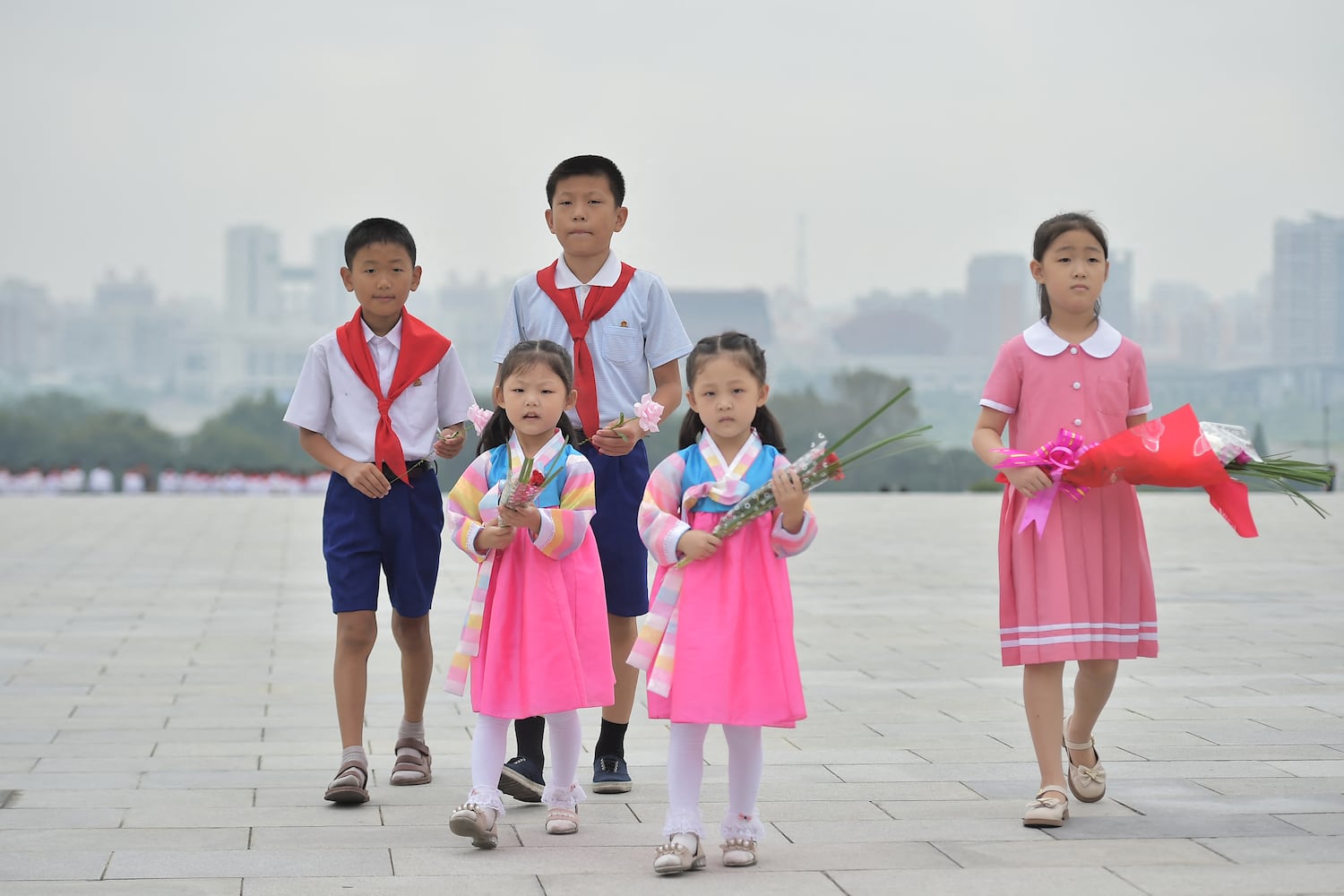
“Recently, authorities have been more quickly sending orphaned children or children born to unmarried women to nurseries or orphanages,” a resident of the country’s northeastern province of North Hamgyong, who requested anonymity for security reasons, told RFA. “The residents’ reaction to this is generally positive.”
The resident talked about a situation where an unmarried woman from Kyongwon county, on the border with China, had to give up her child because of the difficulty raising it alone. The child was quickly accepted into an orphanage in October.
Though the resident did not specify how long it took to place the child, another resident, from nearby South Hamgyong province, told RFA that in another case, in the coastal city of Tanchon, it took about a month.
“In September, in Tanchon, a 6-year-old child became an orphan after his mother, who had been raising him alone, died of illness,” the South Hamgyong resident said on condition of anonymity to speak freely. The child “went to an orphanage after about a month.”
Supplies meeting demand
The government’s apparent priority on supplying nurseries and orphanages has come after a series of child-friendly policies were enacted including the Childcare Law of 2022 and the Law on Preferential Treatment for Multi-Child Families of 2025. Authorities actively encourage childbirth and child-rearing, including by pushing propaganda messaging that “having many babies is patriotism.”
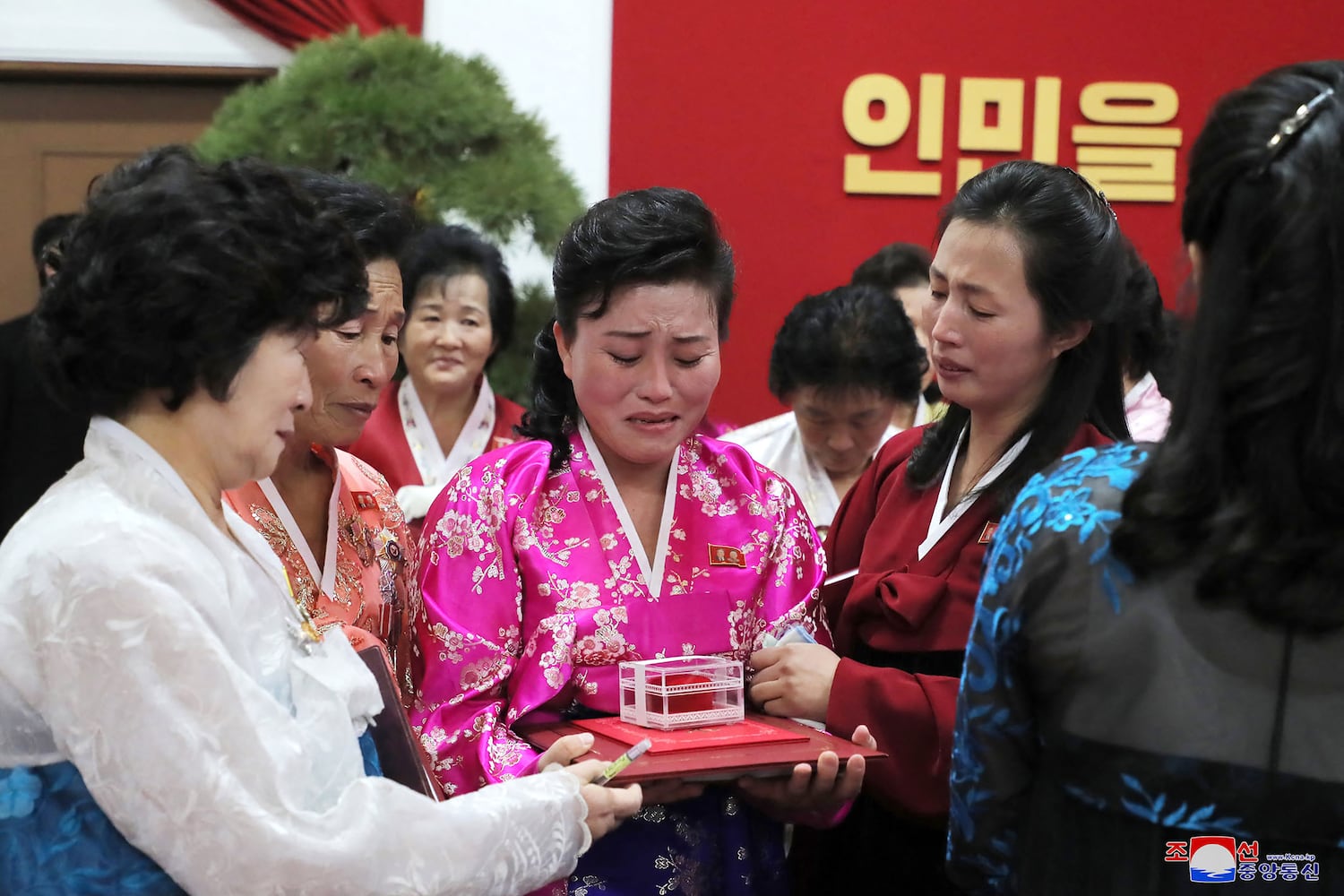
The country’s leader Kim Jong Un famously was brought to tears in 2023 when he publicly discussed the declining birth rate at the National Mothers’ Conference in December 2023.
“Putting our efforts into raising the birth rate together with mothers is a critical revolutionary undertaking that cannot be resolved by the power of our Party and government alone,” he said at the event.
Sources in RFA reports after that incident explained that women were reluctant to marry and have kids because they wanted to focus on their own happiness.
Abortion crackdown
Another way the government has been trying to prevent a declining birth rate is to punish doctors who perform abortions.
By law, abortion is illegal in North Korea, but in practice, some doctors accept payment to perform the procedure in secret.
But these days, those doctors are harder to find, the North Hamgyong resident said.
“There are women who come home pregnant after serving in the military, and they try to get rid of the baby quickly before it is seen by others,” the North Hamgyong resident said. “But recently, abortion procedures have not been easy, so many end up giving birth.”
Unwanted pregnancies happen often in North Korea because sex education is non-existent, the North Hamgyong resident said. But even if the mother gives birth, administrative hurdles and societal pressure make it very difficult to raise the child. This is because it is impossible to register the child without the father, and because of the stigma surrounding unwed mothers.
Many unwed mothers are finding creative ways to put their children born out of wedlock in orphanages without having any official record of the birth, the South Hamgyong resident said. “In late September in Tanchon, a resident found a baby wrapped in a sling in a neighborhood alley and took it to the community center.”

However, it was later revealed that the person who took the child to the community center was actually the maternal uncle of the woman who had given birth, the South Hamgyong resident said. Since the fact that the unmarried woman had given birth might become a major obstacle to marriage if known to the outside world, the uncle had resorted to a workaround for his niece.
The South Hamgyong resident said that the woman did not intend to become pregnant, and had tried to get an abortion but she could not find any doctor willing to provide one.
Edited by Yi Yongin in Korean and Eugene Whong in English.
This content originally appeared on Radio Free Asia and was authored by Ahn Changgyu for RFA Korean.