
Under the warm light of a hanging lamp, Marty Landorf carefully crumbled the dried flower head of a black-eyed Susan between her fingers, teasing apart the chaff to uncover its puny black seeds. Each one was destined for long-term cold storage alongside roughly 46 million other seeds at the Chicago Botanic Garden.
Every seed in the garden’s vault is different. Some seeds have hooks. Others verge on microscopic. A few carry a sharp, deterring scent. And some, like the airborne seeds of the milkweed, the host plant for monarch caterpillars, are fastened to silky fluff that drifts everywhere, hitching rides on volunteers’ clothes and following them home.
“Fluff is fun,” Landorf said laughing, seated alongside five other volunteers cleaning, counting, and sorting seeds at a long metallic table in the garden’s seed bank preparation lab.
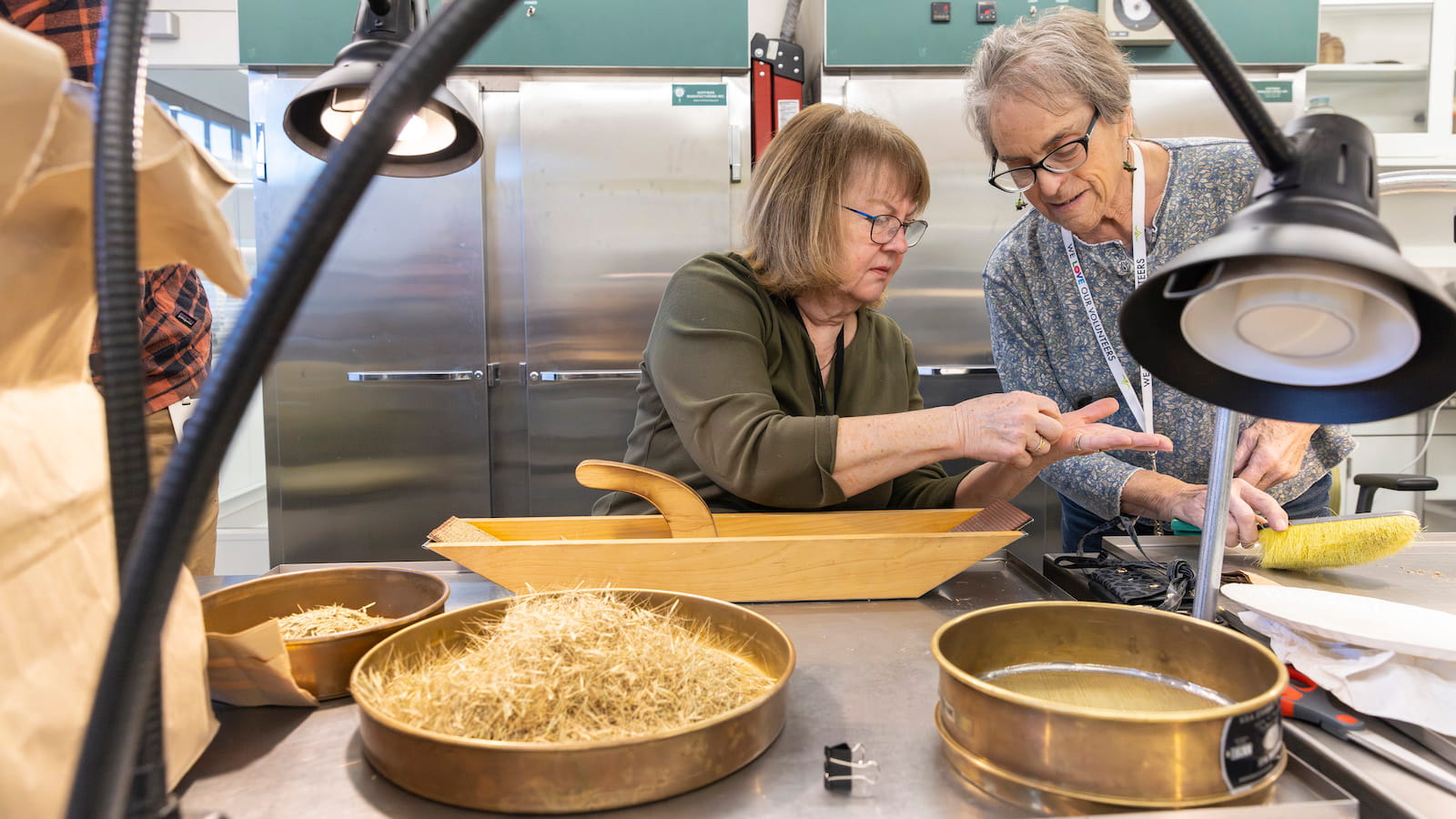
For all their variation, these seeds share a common trait: They’re native to the Midwest. These species genetically adapted over thousands of years and sustain the region’s ecosystems. That evolutionary inheritance makes them indispensable for restoring the nation’s remaining prairies, wetlands, and woodlands.
The problem: Native seeds are in short supply. And climate change is intensifying demand.
“Climate change is affecting our weather and the frequency of natural disasters,” said Kayri Havens, chief scientist at the Chicago Botanic Garden. “Wildfires becoming more common, hurricanes becoming more common — that increases the need for seed.”
In 2024, the Chicago Botanic Garden, a 385-acre public garden and home to one of the nation’s leading plant conservation programs, launched the Midwest Native Seed Network, a first step in improving the region’s fragile seed supply. The coalition now includes roughly 300 restoration ecologists, land managers, and seed growers across 150 institutions in 11 states. Together, they are researching which species are most in demand, where they are likely to thrive, and what it will take to produce them at scale and get them in the ground.
The collaborative is compiling information on seed collection, processing, germination, and propagation while identifying regional research gaps and planning collaborative projects to close them. For example, the network is currently collecting research on submerged aquatic plants such as pondweeds, and other species that are challenging to germinate, like the bastard toadflax, a partially parasitic perennial herb.
“We’re addressing these local, regional, and national shortages of native seed that are really just hindering our ability to restore really diverse habitats, build green infrastructure, and support urban gardens,” said Andrea Kramer, director of restoration at the Chicago Botanic Garden.
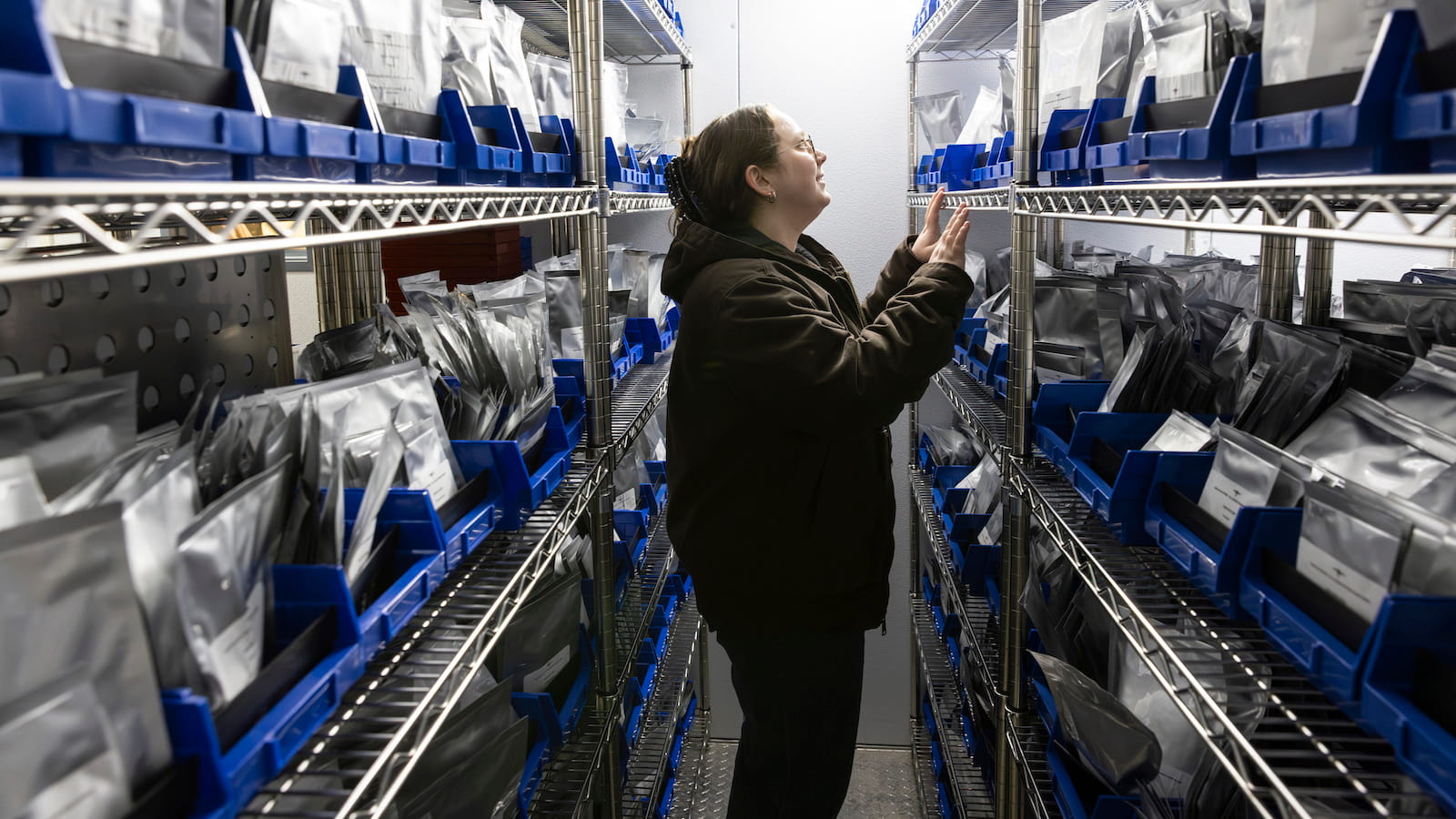
Last year, the network undertook its first major project: a large-scale survey of more than 50 partners across the region. The results were stark. They revealed that more than 500 native species in the Midwest are effectively unavailable for restoration. In some cases, it’s because no one grows them. In others, the seeds are available, but the cost — even at a couple of dollars per packet — becomes prohibitive when restoration projects require thousands of pounds. And for certain finicky species, the bottleneck is technical: Researchers and growers still don’t fully understand how to germinate them reliably or help them thrive in restoration settings.
Kramer said that, ultimately, the goal is to connect the people who need seeds with those who know how to grow them. While the network does not sell seeds, it works with organizations and partners that do. “We are using the network to help elevate what we all know and share what we know to make it easier,” she said.
The shortage itself is not new. In 2001, following sweeping wildfires in the West, Congress tasked federal agencies, including the Bureau of Land Management and the U.S. Forest Service — which, combined, manage approximately one-fifth of the nation’s public lands — to craft an interagency, public-private partnership to increase the availability of native seeds. But according to a 2023 report, which identified the lack of native seeds as a major obstacle for ecological restoration projects across the United States, those efforts remain unfinished.
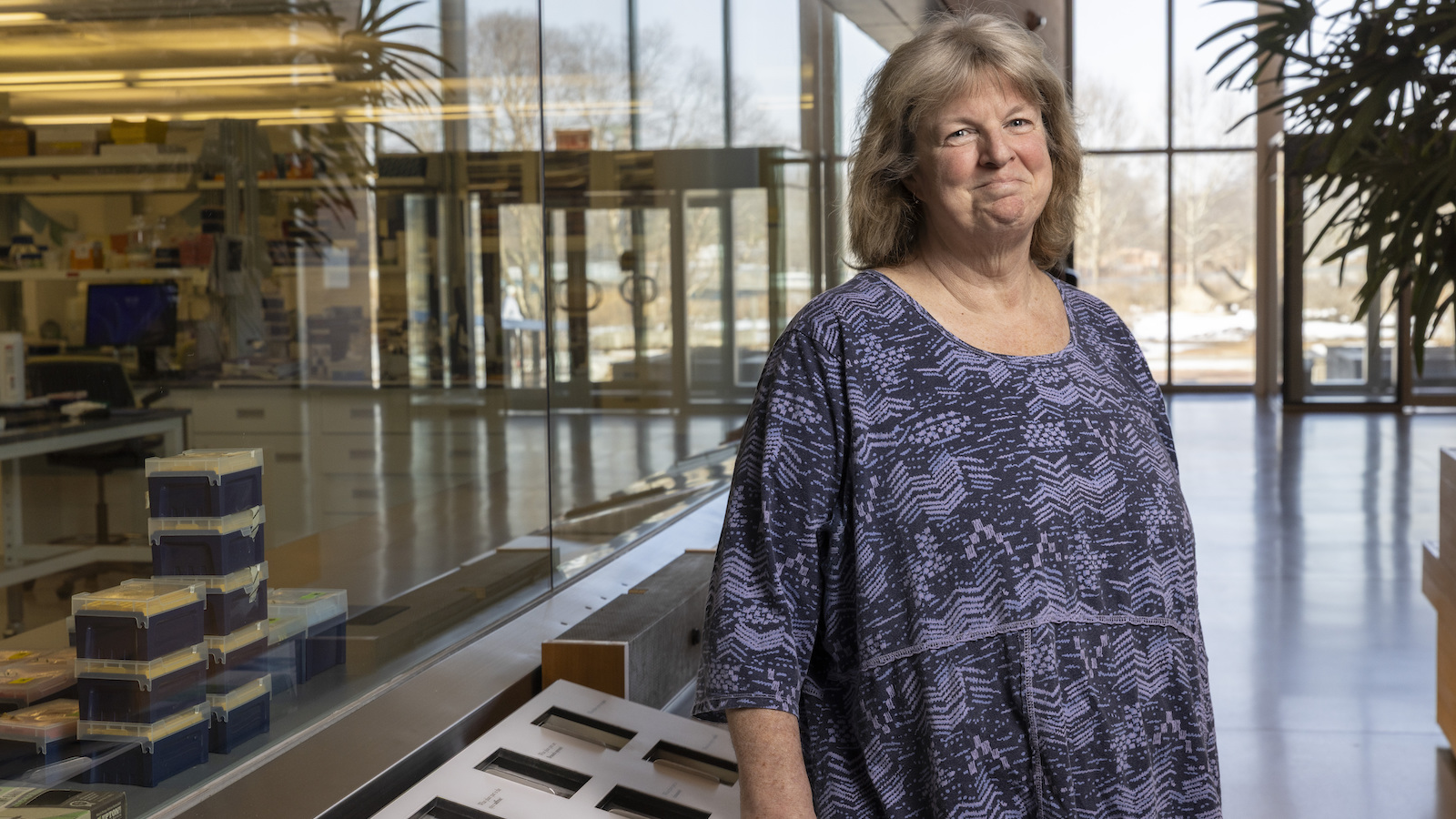
Wildfires have scorched more than 170 million acres in the U.S. between 2000 and 2025, according to the National Interagency Fire Center. In 2020 alone, the Bureau of Land Management purchased roughly 1.5 million pounds of seed to rehabilitate burned landscapes. In a bad fire year, the agency can buy as much as 10 million pounds.
The 2021 bipartisan infrastructure law dedicated $1.4 billion for ecosystem restoration over five years, including $200 million for the National Seed Strategy, a coalition of 12 federal agencies and various private partners established in 2015 to provide genetically diverse native seeds for restoration. The following year, the Inflation Reduction Act invested nearly $18 million to develop an interagency seed bank for native seeds. And in 2024, the Interior Department announced an initial round of $1 million for a national seed bank for native plants.
“The U.S. does have a major seed bank run by the [Department of Agriculture], and it mostly banks crops,” said Havens, the scientist at the Chicago Botanic Garden. “But we don’t have that kind of infrastructure in place for native seed.”
Momentum for establishing a native seed bank stalled following funding cuts by the Trump administration. In early 2025, the Department of Government Efficiency cut 10 percent of the staff at the National Plant Germplasm System, which is home to one of the largest and most diverse plant collections in the world.
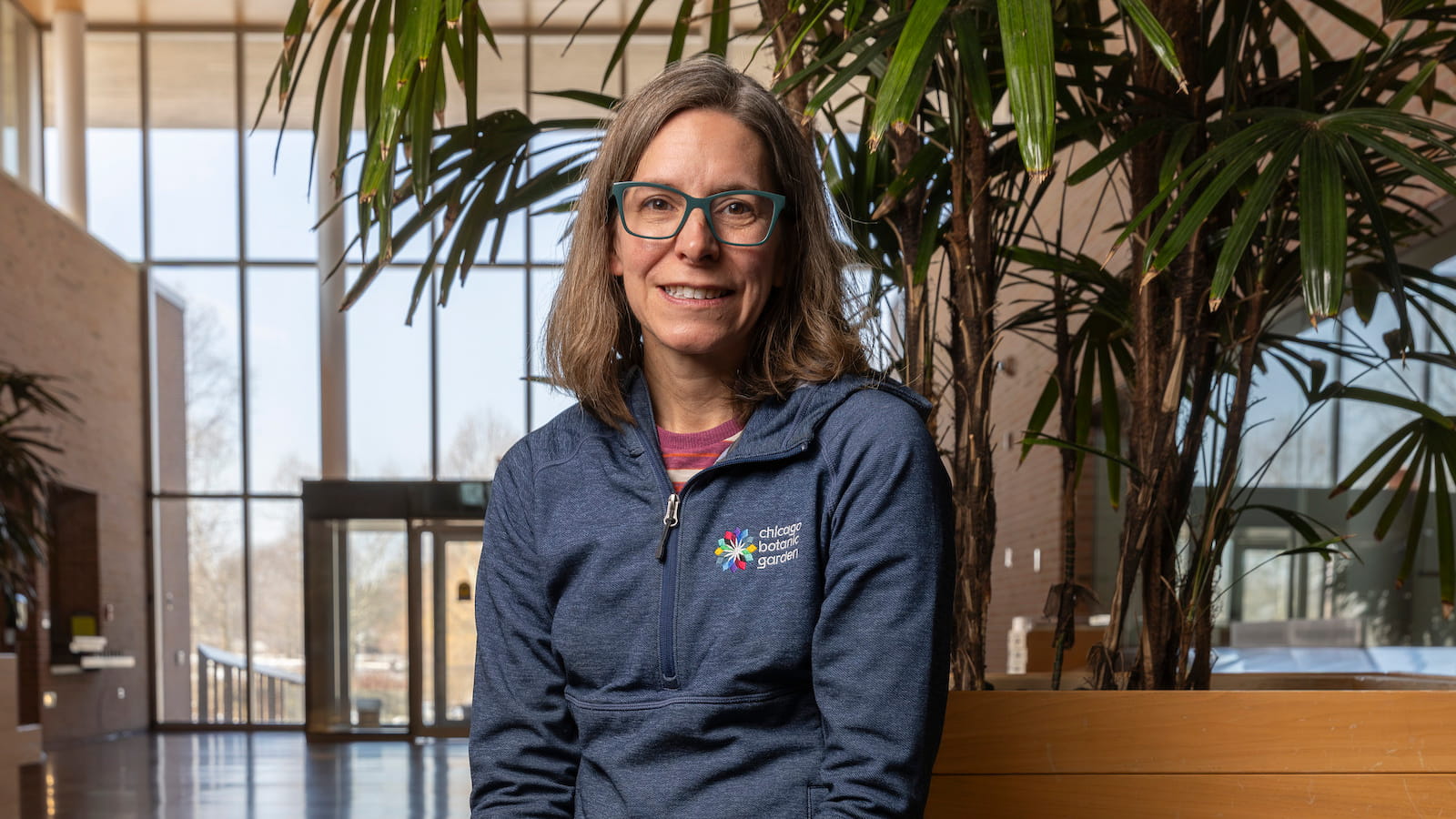
“If something isn’t supported on a national level, then it becomes incumbent on states and regions to do that kind of work,” Havens said. “So that’s why we’re focusing right now in the Midwest.”
The network is the first of its kind in the Midwest, though similar initiatives have been active elsewhere in the country for years. Today, there are more than 25 similar networks operating across the U.S. In the western United States, these coalitions have come together in response to post-wildfire restoration projects.
“One of the reasons why we were among the first is because of this federal land ownership that we have in the West, whereas in the Midwest, it’s more private land,” said Elizabeth Lager, a professor at the University of Nevada in Reno and co-founder of the Nevada Native Seed Partnership. More than 90 percent of all federal land is located in 11 Western states.
Kramer said she hopes to run the seed availability survey again in 20 years and get a different response.
“I want them to say, ‘We have access to all the seed we need,’” said Kramer. “And we can move on to the next challenging question, like, ‘Why isn’t the seed establishing in my restoration? Or, how do we manage the next challenge coming with climate change?’”
This story was originally published by Grist with the headline A regional network is racing to save the Midwest’s native seeds on Mar 2, 2026.
This content originally appeared on Grist and was authored by Juanpablo Ramirez-Franco.